
What is Torticollis?
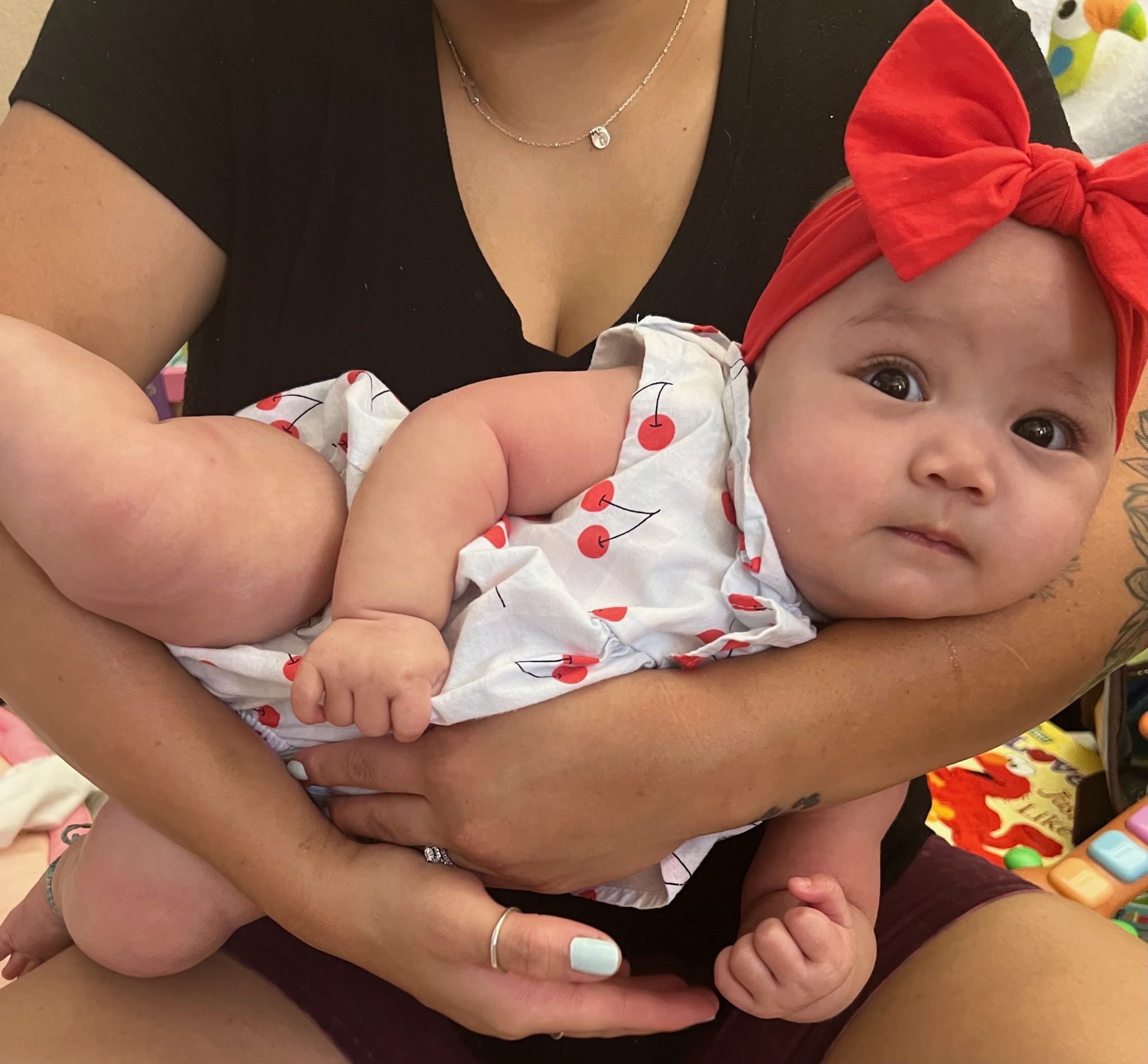
Torticollis is the term used to describe a baby who tilts their head to one side and their chin to the other side. It is usually followed by a limited range of motion in the head and neck. Some babies also develop a flat head on one or both sides of the head from lying in one direction most of the time.
Torticollis can happen for several reasons. Congenital muscular torticollis (torticollis present at birth) happens when complications occur at birth (inadequate blood supply) or the baby being in an unusual position in the womb. This causes the neck muscles to develop a lump or other musculoskeletal problems. Acquired torticollis happens after birth and is caused by a preference to look to one side.
Other types of Torticollis include:
Muscular:
- Postural Torticollis (POST)
- Muscular Torticollis (MT)
- Sternocleidomastoid Tumor (SMT)
Non- Muscular:
- Skeletal (e.g., Klippel-Feil Syndrome)
- Neurological (e.g., Brachial Plexus Injury)
There are a couple signs to look out for if you suspect your child might have torticollis.
- Limited Neck Mobility
- Elevated shoulders to compensate for mobility deficits
- Hemi-hypoplasia: Facial asymmetry with smaller features observed on the side of the head tilt
- Plagiocephaly: Flattening of the head usually on the side of the head tilt
How does Optimal Therapy help?
After your medical provider obtains a medical history and performs a physical exam, they will request physical therapy. Here, at Optimal Therapy, we provide evidence-based treatment for your growing baby. This means a specific treatment plan for your baby consisting of exercises and stretches.
Our physical and occupational therapists will teach you the necessary information and exercises to keep your baby engaged and improve their condition. This means explaining how to perform your child’s treatment plan at home. They will provide you with the tools needed and prepare you to make it fun.
These are the important ways physical therapy and occupational therapy help your child.
- Soft tissue mobilization
- Manual stretching of the neck and trunk
- Strengthening of the neck and trunk
- Active positioning
- Addressing fine and gross motor developmental delay
- Realigning midline
- Modifying activities for optimal positioning
To learn more from our providers, click on the webinar below to see how physical and occupational therapy can help your baby’s torticollis.
At Optimal Therapy we make it our priority to help you feel better.
If you would like to speak with a physical or occupational therapist about torticollis, please use our chat option or fill out the form below to schedule an appointment to get more information.
Optimal Therapy is unique and one of the best choices for your physical and occupational therapy needs. Our team of highly trained physical and occupational therapists are all patient focused and passionate about delivering a great experience every time.
The information presented above is not meant to diagnose or treat. It is for information purposes only. Please reach out to your medical provider for any medical questions or 911 for medical emergencies.